The Facelift: A Patient Guide
A free guide from Dr. Raven Henderson, board certified plastic surgeon in Tyler, Texas, to your facelift options, where your scars will be, and what recovery looks like. See the Facelift page for pricing, FAQs, and before and after photos.
Why the face changes with age
Aging happens in every layer of the face at once: the skin, the fat beneath it, the supportive muscle layer (called the SMAS), and even the bone. Over time, the full, heart-shaped face of youth gradually becomes squarer as tissues descend toward the jawline and neck. A facelift lifts and repositions those descended tissues back to where they belong.
Lifting the skin alone tends to stretch back out and can look pulled. Modern techniques reposition the deeper support layer, which allows the skin to be redraped gently, for a result that looks rested, natural, and never "operated."
A facelift can improve
- Jowls and a softened jawline
- Sagging of the cheeks and midface
- Deep folds from nose to mouth
- Loose neck skin and excess neck fat
- Vertical neck bands
A facelift does not treat
- Fine wrinkles and skin texture
- Sun damage or uneven pigment
- Creases around the lips and eyes
These are often addressed alongside your lift with skin resurfacing, eyelid or brow surgery, or fat transfer.
Your facelift options
Every face ages differently, so every lift is tailored.
Short-Scar & Mini Lift
Tightens the deeper support layer through an incision limited to the area around the front of the ear.
Best for: younger patients with early jowling and little excess neck skin.
SMAS Facelift
The most widely performed approach. The muscle layer beneath the skin is tightened, by folding or by trimming and suturing, then the skin is redraped without tension.
Best for: jowls, jawline definition, and moderate neck laxity.
Deep Plane & Extended Lifts
Skin and muscle are lifted together as one unit, working beneath the support layer to reach further into the cheek.
Best for: midface descent and deep nose-to-mouth folds; restoring cheek fullness.
MACS Lift
A minimal-access lift that suspends the cheek and jowl tissues vertically with special sutures, using a shorter incision.
Best for: early to moderate jowling where a shorter scar is a priority.
Neck Lift
Through a small incision under the chin, excess fat is removed and the neck muscle is tightened at the center to sharpen the neck-jaw angle. Often combined with a facelift.
Best for: fullness under the chin, loose skin, and neck bands. See Neck Lift.
Revision Facelift
A second lift years after the first to refresh the face and neck, and an opportunity to improve earlier scars and preserve the hairline and sideburn.
Best for: patients who have had a previous facelift.
Which lift is right for me?
At your consultation, Dr. Henderson will evaluate how much laxity you have, where the changes are most visible, your skin quality, and your overall health. Your plan may combine techniques, for example a facelift with a neck lift, to keep the face and neck in harmony.
Where your scars will be
Incisions follow natural creases and hide within the hairline.
- Temple. Placed just along the hairline of the temple, which keeps your sideburn and hairline in their natural position.
- In front of the ear. Follows the natural curve where the ear meets the cheek, often tucked along the edge of the ear.
- Around the earlobe. Wraps just beneath the lobe so its natural shape is kept.
- Behind the ear. Sits in the crease behind the ear, out of view.
- Into the hairline. Extends into the scalp behind the ear to address loose neck skin.
- Under the chin. A short incision in the natural crease, used when the neck is tightened.
- Full facelift: uses incisions 1 through 5, allowing the face and neck to be lifted together.
- Short-scar lift: uses only 1 through 3. The scar ends at the earlobe and nothing extends behind the ear.
- Neck lift: adds incision 6 under the chin, usually alongside a facelift.
Caring for your scars
Scars start pink and slightly firm, then soften and fade over the following 6 to 12 months. Protect them from the sun, avoid all nicotine, and follow your scar-care plan. If you have formed thick or raised scars in the past, please let us know at your consultation.
Recovery & results
Your recovery timeline
- 4 weeks before: Stop all nicotine and hormone therapy. Blood pressure must be well controlled.
- 2 weeks before: Stop blood thinners and anti-inflammatory pain relievers, as directed.
- Night of surgery: Rest with your head elevated, use cool compresses, and keep light dressings in place.
- Day 1: First check-up; drains may be removed.
- Days 4 to 8: Non-absorbable stitches are removed in stages; absorbable stitches dissolve on their own.
- Week 1: Swelling and bruising peak, then begin to settle. Comfortable around home.
- Week 2: Remaining bruising can usually be covered with makeup.
- Week 4: Most patients feel ready for social events.
- 3 to 12 months: Final contours refine and scars continue to soften and fade.
Timing varies from patient to patient. Your personal instructions always come first.
Realistic expectations
- The goal is a refreshed, natural look, never a pulled or "operated" appearance.
- Your face continues to age after surgery, but from a more youthful starting point.
- Fine lines, texture and pigment are treated separately from the lift.
- Tightness, numbness around the ears and cheeks, and mild unevenness are common early and usually improve with healing.
Understanding the risks
- Bleeding under the skin (hematoma) is the most common complication, usually within the first day.
- Nerve changes (numbness or facial weakness) are uncommon and most often temporary.
- Healing problems of the skin are more likely with smoking or excess tension.
- Thickened scars can occur and may need treatment.
Call us right away if you notice
Swelling on one side that grows quickly, or pain that keeps getting worse instead of better; fever, spreading redness or drainage; or any trouble breathing. Do not simply take more pain medicine. These signs need prompt evaluation. For urgent concerns, call (903) 251-2765 day or night. For non-urgent questions, please call during office hours.
This guide is for general education and does not replace a personal consultation. Your treatment plan, risks and recovery will be discussed with you individually.
Schedule a Facelift Consultation: Virtual or In Tyler
Dr. Raven Henderson and the team at RCH Plastic Surgery will help you decide what is right for your body and goals. You can book online, call us, or ask about a virtual or in-person consultation.
Contact our Tyler, TX office today:
- Call: (903) 251-2765
- Visit: 2140 W. Grande Blvd, Ste A, Tyler, TX 75703
- Schedule your consultation online
Serving Longview, Tyler, Marshall, Nacogdoches, Lufkin, Jacksonville, and patients from across Texas and across the country.
Dr. Henderson offers several ways to pay, including an in-house installment plan, CareCredit, Alphaeon, and personal loan options. See all payment options.
Related Procedures
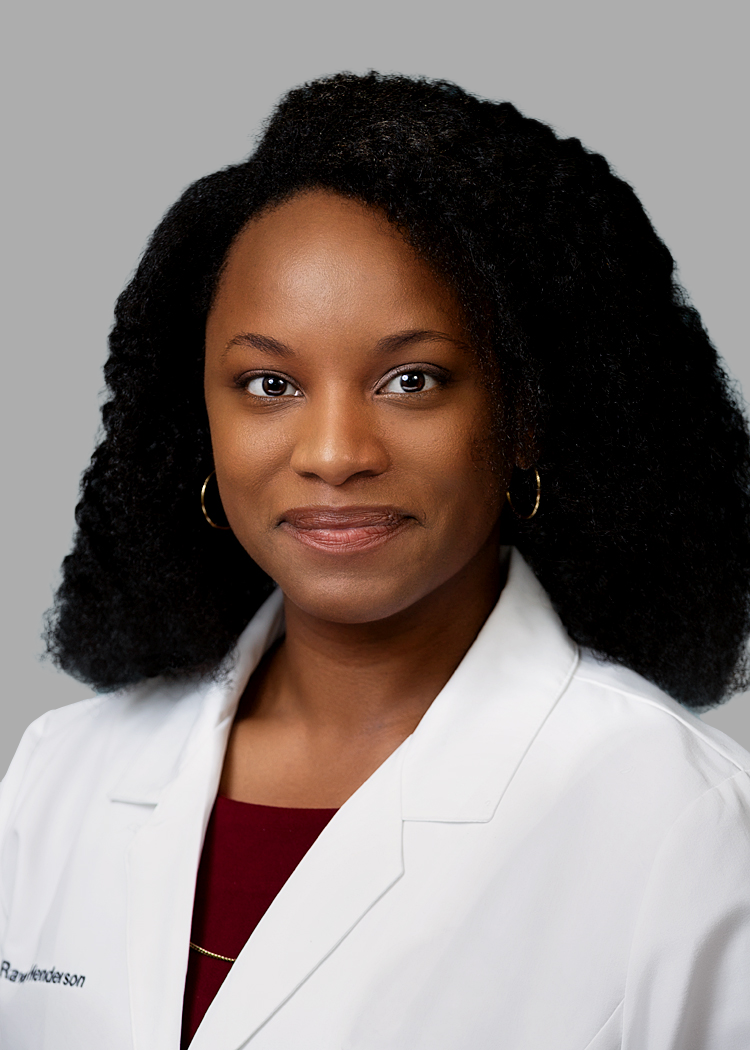
Your Surgeon: Dr. Raven C. Henderson, MD
- Board certified by the American Board of Plastic Surgery
- Member, American Society of Plastic Surgeons
- Medical degree: University of Texas Health Science Center, Houston
- Plastic surgery fellowship: University of Nebraska Medical Center
COMPANY
HOURS
- Mon–Thu: 9:00 AM – 5:00 PM
- Fri: 9:00 AM – 12:00 PM
- Consultations by appointment
CONTACT US
- RCH Plastic Surgery2140 W. Grande Blvd, Ste A
Tyler, TX 75703 - (903) 251-2765
- info@rchplasticsurgery.com